
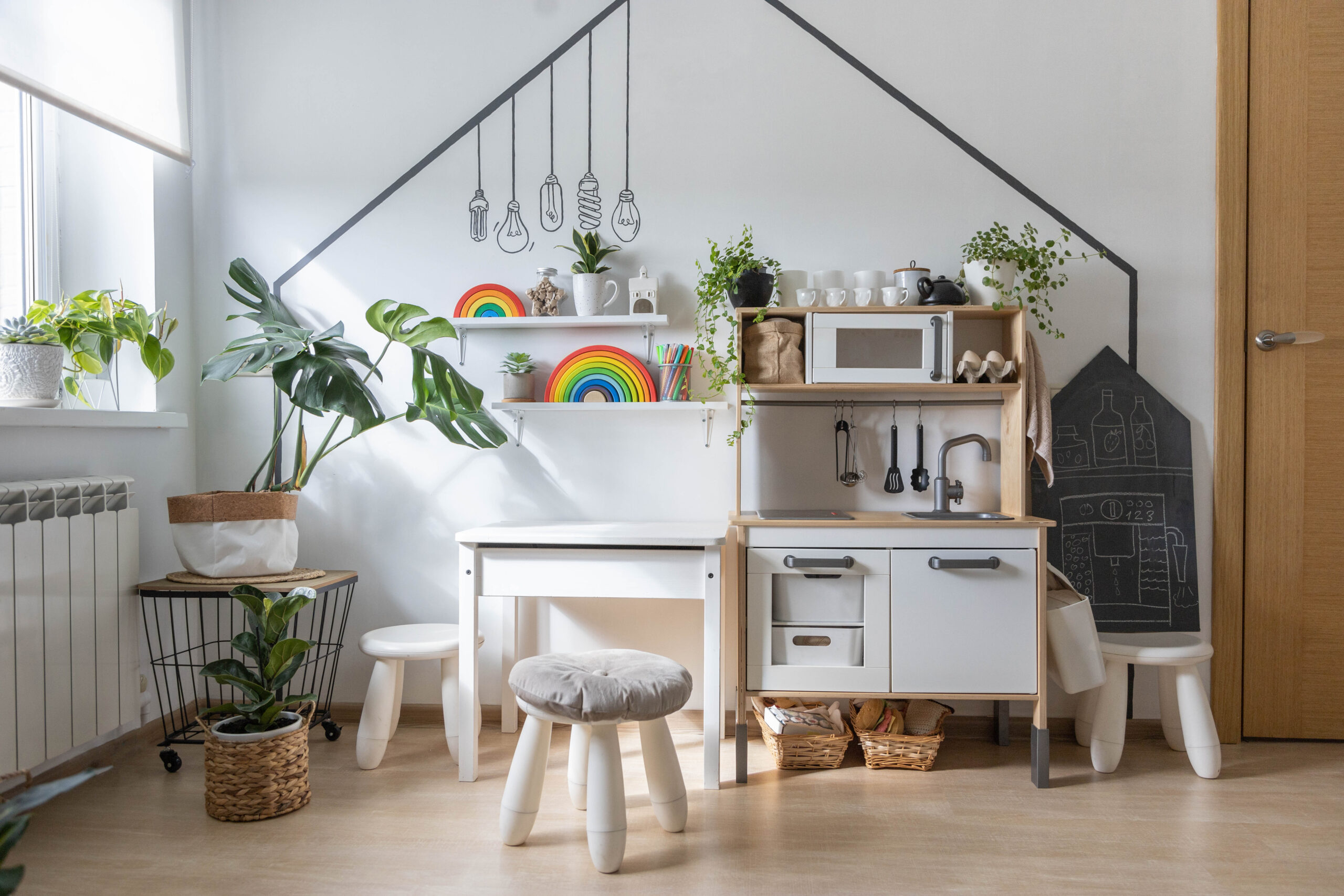
Nurturing Development in Young Minds in a Practical way through Montessori Kitchen Play
In the bustling world of Montessori learning, finding activities that engage and stimulate a child’s curious mind is a constant challenge. Introducing children to kitchen activities is one avenue that proves to be educational and entertaining. These experiences can significantly contribute to a child’s cognitive, motor, and social development. As parents, understanding the Montessori approach to kitchen activities can unveil a world of possibilities.
The Allure of the Kitchen for Young Explorers
The kitchen, often called the heart of the home, becomes an enchanting playground for young children. A kitchen’s multitude of textures, smells, and tastes provides a rich sensory experience. Montessori philosophy emphasizes the importance of sensory exploration in a child’s early years. From the smooth surface of a banana to the rough skin of a potato, the kitchen is a treasure trove of sensations that captivate a child’s interest and lay the foundation for cognitive development.
“It is interesting to notice that where life is simple and natural and where the children participate in the adult’s life, they are calm and happy.” Maria Montessori, The 1946 London Lectures, p 153
Maria Montessori, The 1946 London Lectures, p 153
Building Life Skills Through Play
Engaging in kitchen activities empowers children with valuable life skills from an early age. Montessori principles emphasize “practical life,” recognizing that even the simplest tasks contribute to a child’s overall development. Pouring, stirring, and sorting ingredients enhance fine motor skills and instil a sense of responsibility and accomplishment. As children actively participate in kitchen chores alongside their parents, they develop a sense of belonging and learn essential skills that form the building blocks of independence.
Creating a Safe and Accessible Kitchen Environment
Safety is paramount when involving young children in kitchen activities. Begin by creating a designated, child-friendly space within the kitchen. Lowering countertops, providing sturdy step stools, and ensuring that utensils and ingredients are within reach empower children to participate safely. Introduce basic safety rules, such as the proper handling of kitchen utensils and the importance of handwashing, to cultivate responsible habits from the start.
Incorporating Montessori Kitchen Play
Montessori education emphasizes child-led learning; the kitchen is ideal for applying this philosophy. Allow your child to choose activities based on their interests and capabilities. Encourage them to explore at their own pace by providing the ingredients and utensils they choose. For instance, a child might express interest in peeling vegetables or arranging fruits. Respecting their choices will help nurture their independence and tailor them to their learning experiences.
Nutritional Education through Culinary Exploration
Introducing children to the kitchen is an excellent opportunity to develop their knowledge about nutrition and healthy eating habits. Montessori kitchen activities can involve exploring fruits, vegetables, and whole foods. Engaging your child in discussions about the colours, textures, tastes and uses of different ingredients they see can help foster healthy and balanced eating habits.
Encourage a Positive Relationship with Food
Beyond nutritional awareness, the kitchen provides a platform to shape a child’s emotional connection with food. Involve your child in meal preparation, from planning to serving. Discuss the origins of ingredients, involve them in grocery shopping and let them participate in setting up the table.
Building Social and Collaborative Skills
The kitchen serves as a natural habitat for cultivating social skills and teamwork. As children partake in activities alongside their parents, they learn the art of cooperation, communication and working towards a common goal. These early-stage experiences in the kitchen contribute to developing essential social skills beyond the home and family setting.
Building Confidence Through Achievement
Every completed kitchen task, no matter how small, becomes a milestone in a child’s journey of self-discovery. Montessori kitchen activities progressively challenge children, allowing them to build confidence through small steps and incremental achievements. Whether cracking an egg, measuring ingredients or stirring flour, each accomplishment reinforces a child’s belief in their capabilities and nurtures a positive self-image.
Nurturing Skills Through Montessori Kitchen Activities
If utilized correctly, the kitchen emerges as a natural classroom for children, offering various opportunities for growth and development. Montessori principles seamlessly integrate culinary adventures in the kitchen, providing a framework that aligns with the child’s natural curiosity and inclination to explore.